Protecting Pets From Heatstroke: Summer Safety in Alexandria

Protecting Pets From Heatstroke: Summer Safety in Alexandria
Summer in Alexandria and the surrounding communities brings sweltering temperatures and high humidity—conditions that can put your dog or cat at real risk for heatstroke. As pet owners, it is natural to worry about how the summer heat might affect your furry family members. At Rapides Animal Medical Center, located right here at 5990 Jackson Street, Alexandria, LA 71303, our veterinary team is committed to helping you keep your pets safe, comfortable, and healthy all season long. This blog will guide you through recognizing the signs of heatstroke in dogs and cats, understanding why overheating happens, and learning how to prevent it. We will also share practical tips for summer pet care and explain when it is time to seek professional help. If your pet ever needs urgent care, our experienced team is here to provide comprehensive support, including emergency veterinary care and routine wellness services.
Recognizing the Signs of Heatstroke in Dogs and Cats
As temperatures climb in Alexandria, it is crucial for pet owners to be aware of how heatstroke can present in their pets. Heatstroke occurs when a dog or cat's body temperature rises dangerously high, often as a result of hot weather or poor ventilation. While all pets can be affected, certain breeds—such as brachycephalic (short-nosed) dogs and cats—are especially vulnerable.
Key symptoms of heatstroke in pets include excessive panting, drooling, and restlessness. You may also notice signs like bright red gums, rapid heartbeat, vomiting, diarrhea, or even confusion and unsteadiness. Cats may hide or seem unusually lethargic. In severe cases, pets can collapse or have seizures. If your pet displays any of these symptoms on a hot day, especially after exercise or time outdoors, it is vital to act quickly.
Recognizing these warning signs early can make a significant difference in your pet's outcome. Our veterinary professionals encourage you to monitor your pets closely during the summer, particularly if they are older, overweight, or have pre-existing health conditions.
Why Do Pets Overheat? Understanding the Causes of Heatstroke
Unlike humans, dogs and cats cannot sweat to cool themselves down. Instead, they rely on panting and limited sweat glands in their paw pads. When the air is humid, panting becomes less effective, and their bodies struggle to release excess heat. This is especially true during Louisiana’s muggy summer months.
Heatstroke often develops when pets are left in parked cars, even for a few minutes. The temperature inside a vehicle can skyrocket rapidly, creating life-threatening conditions. Other risk factors include vigorous exercise during peak heat, lack of shade in outdoor spaces, and dehydration. Flat-faced breeds, pets with thick coats, and those with underlying heart or respiratory issues are at higher risk.
Even indoor pets are not immune. Poor ventilation in homes or garages, combined with high humidity, can still lead to overheating. Being aware of how environmental factors contribute helps you make safer choices for your pet’s summer routine.
How Heatstroke Is Treated: What Pet Owners Can Expect
If you suspect your dog or cat is experiencing heatstroke, immediate action is essential. Move your pet to a cool, shaded area right away. Offer small amounts of cool (not cold) water if your pet is alert and able to drink. Use damp towels or a fan to help lower their body temperature, but avoid ice or very cold water, which can cause shock.
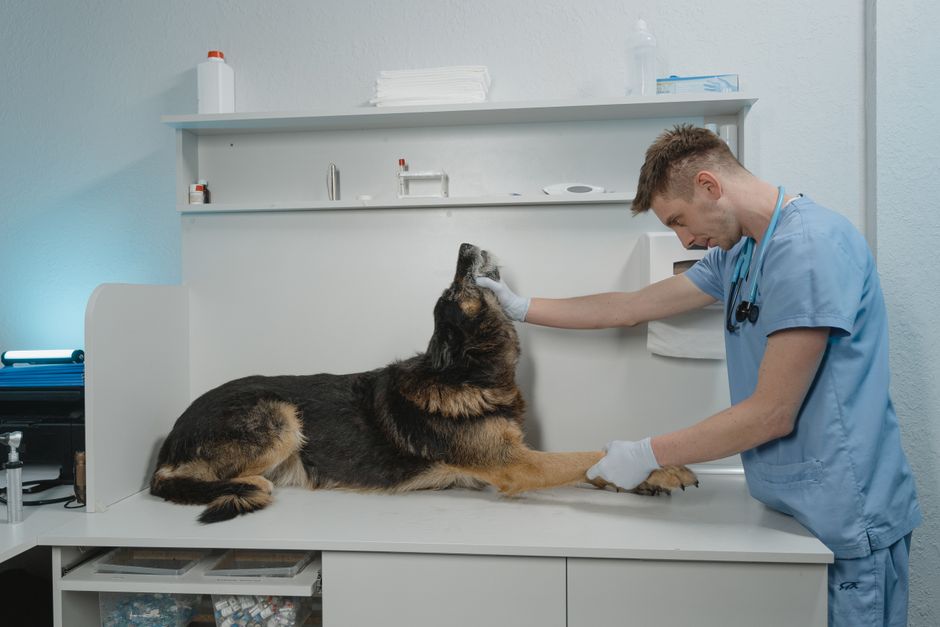
Professional veterinary treatment involves rapidly but safely lowering your pet’s temperature, monitoring vital signs, and addressing complications like dehydration or organ dysfunction. Pets may need intravenous fluids, oxygen support, and careful observation for several hours or longer. Because heatstroke can cause lasting damage to organs such as the kidneys, liver, and brain, prompt veterinary intervention is critical.
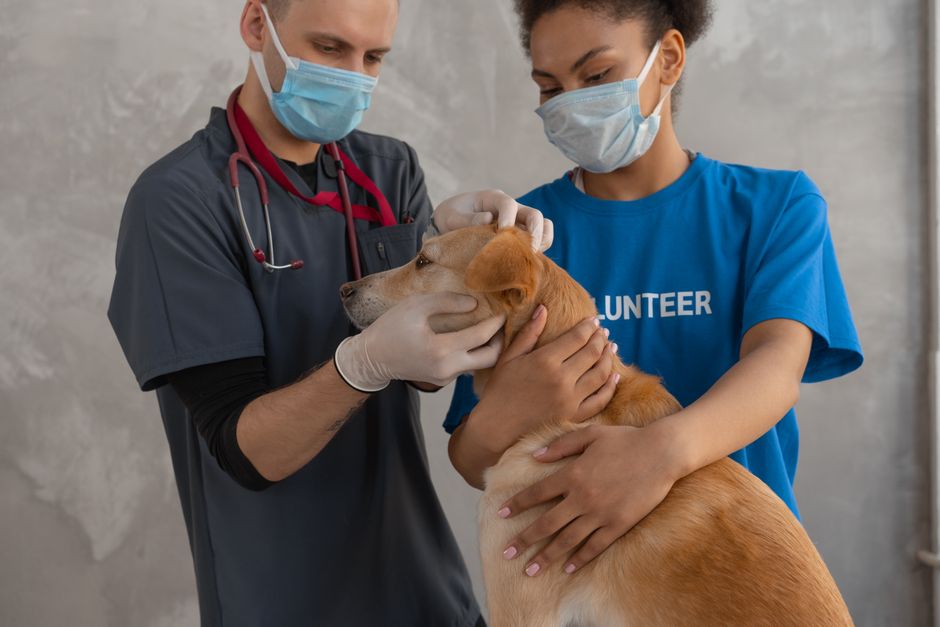
At Rapides Animal Medical Center, our team is equipped to provide advanced emergency care services and diagnostic support, ensuring your pet receives the expert attention they need. If you are ever unsure whether your pet’s symptoms require urgent care, call us right away or bring your pet in for evaluation.
Preventing Heatstroke: Keeping Your Pets Cool and Safe
Prevention is always better than cure when it comes to heatstroke. Simple steps can make a significant impact on your pet’s safety during Alexandria’s hot summer months. Always provide fresh, cool water and plenty of shade, whether your pet is indoors or outside. Limit exercise to the cooler parts of the day, such as early morning or late evening, when temperatures are lower and pavement is less likely to burn sensitive paws.
Never leave your pet in a parked car, even if the windows are cracked or you plan to be gone just a few minutes. The temperature inside a vehicle can become deadly in a very short time. When traveling with your pet, plan for frequent breaks and access to water.
Consider professional pet grooming services, especially for dogs and cats with thick coats. Trimming fur appropriately can help reduce heat retention, but always consult a groomer or your veterinarian before making changes to your pet’s coat. The grooming team at Rapides Animal Medical Center can recommend safe options to keep your pet comfortable.
If you board your pet during summer vacations, choose a facility with climate-controlled environments and attentive staff. Our overnight stays and day boarding services offer a safe, air-conditioned space for your pet to relax while you are away, giving you peace of mind in Alexandria’s heat.
When Should You Seek Veterinary Care for Heatstroke?
Time is of the essence if you suspect your pet is overheating. If your dog or cat shows symptoms such as heavy panting, drooling, weakness, vomiting, confusion, or collapse, seek veterinary attention immediately. Even if your pet appears to recover after initial cooling, there may be underlying complications that require professional assessment.
Do not wait for symptoms to worsen. The sooner your pet receives supportive care, the better the chances of a full recovery. Our team of veterinarians at Rapides Animal Medical Center is ready to help with both emergency care and routine wellness examinations to keep your pet healthy year-round.
If you are searching for a veterinarian near me during a heat-related emergency, remember that our Alexandria location is easily accessible for local pet owners and those in nearby communities.
Summer Pet Safety: Local Tips for Alexandria Pet Owners
Living in Alexandria means adapting to the unique challenges of our local climate. High humidity and heat can surprise even seasoned pet owners, so staying informed and prepared is your best defense. Keep walks short during midday, watch for hot surfaces that can burn paws, and ensure your home remains well-ventilated. For outdoor pets, provide shaded areas and constant access to water.
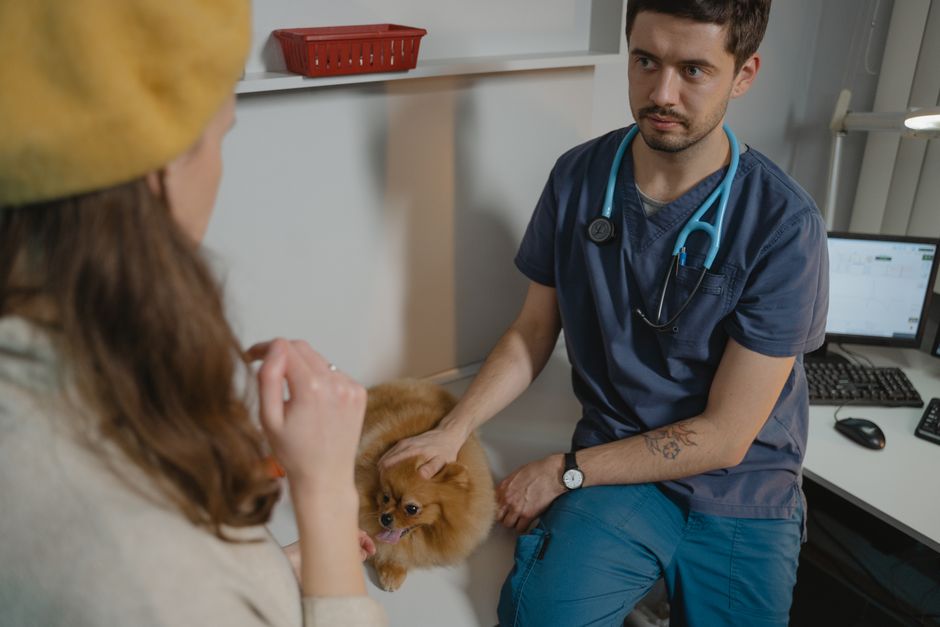
Regular checkups and preventive care help identify health risks that might make your pet more susceptible to heatstroke. Schedule a summer wellness visit to discuss your pet’s individual needs, update vaccinations, and review your warm-weather safety plan. Our veterinary team is always here to answer your questions and support your pet’s health in every season.
Take Action: Keep Your Pet Safe With Rapides Animal Medical Center
Alexandria summers can be tough on our pets, but with the right precautions, you can help your dog or cat enjoy a safe, healthy season. Watch for the signs of heatstroke, take steps to prevent overheating, and never hesitate to contact a trusted veterinary professional if you have concerns.
If you need advice, emergency care, or want to schedule a summer wellness examination, reach out to the team at Rapides Animal Medical Center. We are dedicated to providing compassionate, expert care for pets in Alexandria and the surrounding communities. To book an appointment or speak with one of our veterinary professionals, call (318) 445-5245 or visit us at 5990 Jackson Street, Alexandria, LA 71303. When searching for a vet near me you can trust, our team is here to help your pets thrive all summer long.
This article is intended for informational purposes only and should not replace professional veterinary advice. If you suspect your pet is suffering from heatstroke or any medical emergency, contact your veterinarian immediately.