Preventing Summer Parasites in Alexandria Pets


Preventing Summer Parasites in Alexandria Pets
Summertime in Alexandria and the surrounding communities means longer days, plenty of sunshine, and unfortunately, a dramatic increase in parasites that can threaten your pet’s health. Fleas, ticks, and mosquitoes thrive in our region’s hot, humid climate, making dogs and cats especially vulnerable to itchy bites, skin infections, and more serious conditions like Lyme disease and heartworm. At Rapides Animal Medical Center, located at 5990 Jackson Street, Alexandria, LA 71303, our veterinary team is dedicated to helping you keep your pets healthy, comfortable, and parasite-free all summer long.
In this blog, we’ll guide you through the most common summer parasites affecting Alexandria’s pets, highlight the signs you should watch for, explain how these pests can harm your dog or cat, and offer both at-home prevention tips and guidance on when to seek expert veterinary care. Whether you’re preparing for a season of backyard play, summer travel, or simply want to protect your companion’s health, our goal is to give you the information you need to make the best choices for your pet’s wellbeing. If you have questions or need to schedule a visit, our team is always here to support you.
Recognizing the Signs of Summer Parasites in Dogs and Cats
Understanding the symptoms of a parasite problem is the first step in keeping your pet healthy. In Alexandria’s warm months, fleas, ticks, and heartworm-carrying mosquitoes are especially active, so vigilance is key. Common signs of flea infestation include persistent scratching, licking, or biting at the skin, visible “flea dirt” or small black specks in the fur, and areas of hair loss or red, irritated skin. Ticks may be seen as small, round bumps attached to your pet’s skin, often hidden in less visible areas like behind the ears, between the toes, or under collars. If your pet seems lethargic, has swollen joints, or develops a sudden fever, a tick-borne disease could be the cause.
Heartworm disease is a more insidious threat, as early symptoms are subtle or even absent. As the disease progresses, you might notice coughing, difficulty breathing, fatigue after moderate activity, decreased appetite, or weight loss. Cats may show asthma-like symptoms or sudden collapse. Because heartworm can be fatal if left untreated, early detection is critical. If you observe any of these signs, it’s important to reach out to your veterinarian promptly for a thorough examination.
Why Are Summer Parasites Such a Problem in Alexandria?
The climate in Alexandria and central Louisiana creates the perfect environment for parasites to flourish. Fleas thrive in warm, humid weather, multiplying rapidly in yards, parks, and even inside your home. Ticks are commonly found in grassy, wooded, and brushy areas, making them a risk during hikes, walks, or even backyard playtime. Mosquitoes, which are responsible for spreading heartworm larvae, are relentless throughout the summer, especially after periods of rain.
Local pets are particularly at risk because these parasites are not just nuisances; they are carriers of dangerous diseases. Fleas can transmit tapeworms and cause severe allergic reactions. Ticks are known for spreading Lyme disease, ehrlichiosis, and anaplasmosis. Mosquitoes can infect both dogs and cats with heartworm, a potentially life-threatening condition. Without year-round prevention, even indoor pets can become infected, as fleas and mosquitoes often find their way indoors.
How Are Summer Parasite Problems Treated at Rapides Animal Medical Center?
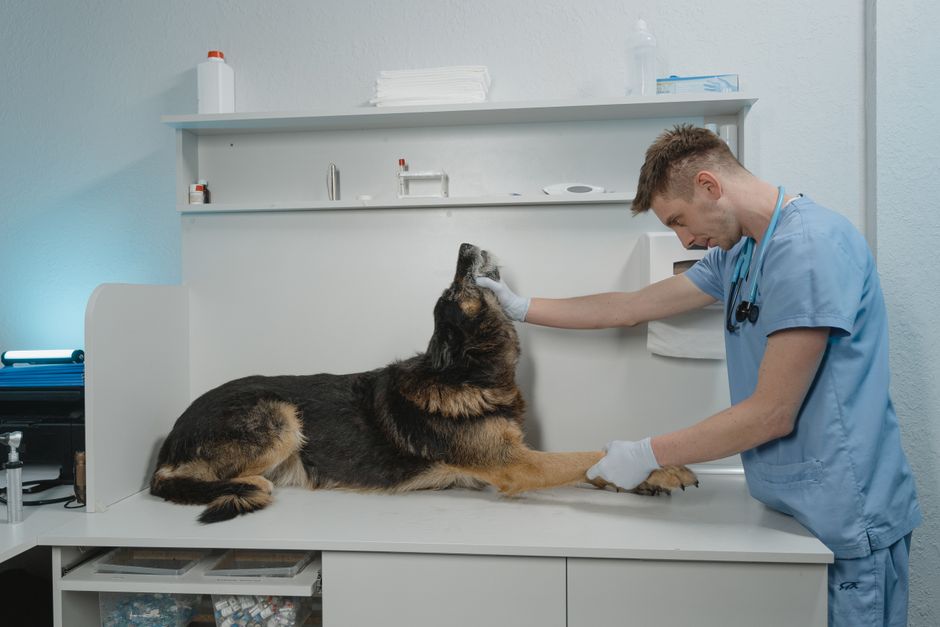
When you bring your pet to Rapides Animal Medical Center for parasite concerns, our veterinarians begin with a detailed examination to identify the type and extent of infestation. For fleas and ticks, treatment usually starts with prescription-strength preventives or medications that kill the pests on your pet and help eliminate them from your home environment. If your pet is suffering from skin irritation or infection due to bites, our veterinary team may recommend medicated shampoos, topical treatments, or antibiotics to help restore healthy skin.
For heartworm, the treatment approach differs between dogs and cats. In dogs, confirmed heartworm infection requires a multi-step protocol involving medication to kill adult worms and supportive care to manage symptoms. Because heartworm treatment can be risky and expensive, prevention is always preferred. In cats, there is no approved cure for heartworm disease, so prevention becomes even more critical. Regular heartworm testing helps our team catch the disease early or confirm your pet’s ongoing protection.
Our veterinarians will tailor a parasite control plan that fits your pet’s lifestyle, health status, and risk factors, ensuring their safety and comfort throughout the summer and beyond.
Preventing Parasites at Home: What Pet Owners Can Do
Prevention starts at home and plays a vital role in keeping your dog or cat healthy year-round. Consistent use of veterinarian-recommended flea, tick, and heartworm preventives is the single most effective way to protect your pet. These products come in various forms, including topical treatments, oral medications, and collars, and our team can help you choose the best option for your companion.
Maintaining a clean home environment also makes a difference. Washing your pet’s bedding regularly, vacuuming carpets and furniture, and keeping your yard tidy can reduce the chances of flea infestations. After walks or outdoor play, checking your pet for ticks is important; pay special attention to hidden spots like under the collar, between the toes, and around the ears. For mosquito control, try to eliminate standing water around your home where mosquitoes breed.
Regular wellness examinations are essential, as these visits allow our veterinarians to monitor for early signs of parasite problems, update your pet’s preventive medications, and provide personalized advice based on the latest regional parasite trends. Vaccination services are also important, as some vaccines can help protect against diseases that ticks and other parasites may carry.
When Should You Seek Veterinary Care for Parasites?
If you notice any symptoms of fleas, ticks, or heartworm disease in your pet, it’s important to seek veterinary care as soon as possible. Persistent itching, hair loss, visible parasites on your pet’s skin, unexplained fatigue, coughing, or sudden breathing problems all warrant a call to your veterinary team. In some cases, especially with heartworm or tick-borne diseases, waiting can lead to severe complications.
Routine parasite prevention is just as important as treatment. Even if your pet appears healthy, scheduling annual wellness visits ensures that small problems are caught before they become serious. Our team at Rapides Animal Medical Center provides comprehensive parasite screening and prevention services tailored to the needs of pets in Alexandria and the surrounding communities.
If your pet is ever in distress or you are unsure whether their symptoms require urgent care, our veterinary professionals are just a phone call away. We encourage you to reach out with any questions or concerns about your pet’s health.
Keeping Your Pet Healthy and Parasite-Free All Summer
Protecting your dog or cat from fleas, ticks, and heartworms is a year-round commitment, but it becomes especially important during Alexandria’s warm, humid summer months. Staying alert to the signs of parasite problems, keeping up with preventive medications, and partnering with a trusted veterinary team can make all the difference in your pet’s health and happiness.
If you’re searching for a veterinarian near me who understands the unique challenges of pet care in Alexandria and can provide expert guidance on parasite prevention, Rapides Animal Medical Center is here for you. Schedule your pet’s next wellness examination, discuss the best parasite prevention plan, or ask about heartworm testing by calling (318) 445-5245 or visiting our Jackson Street location. Our veterinary team is committed to keeping Alexandria’s pets healthy, happy, and protected all summer long.