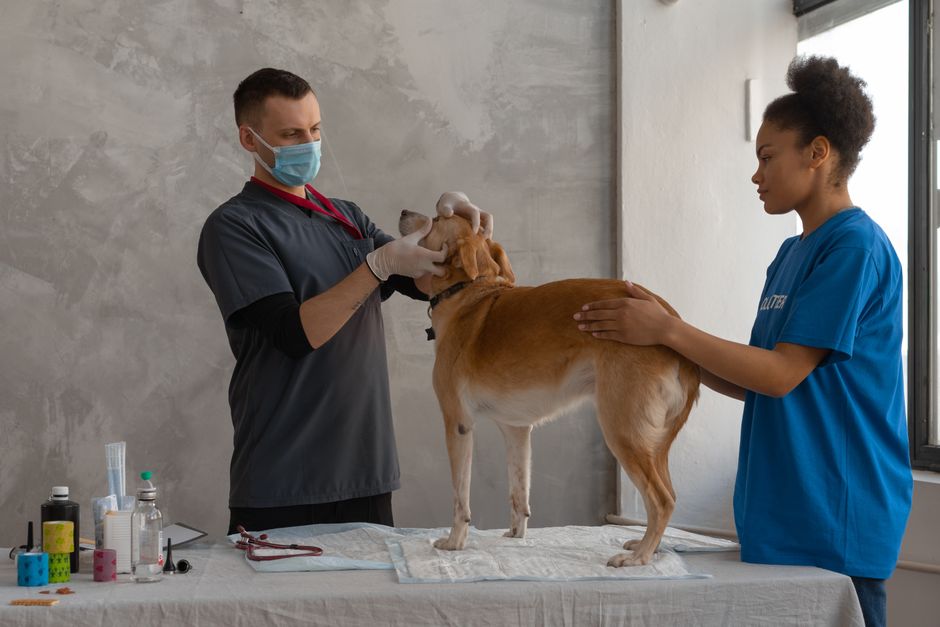
Heartworm Prevention: Essential Tips for Alexandria Pet Owners

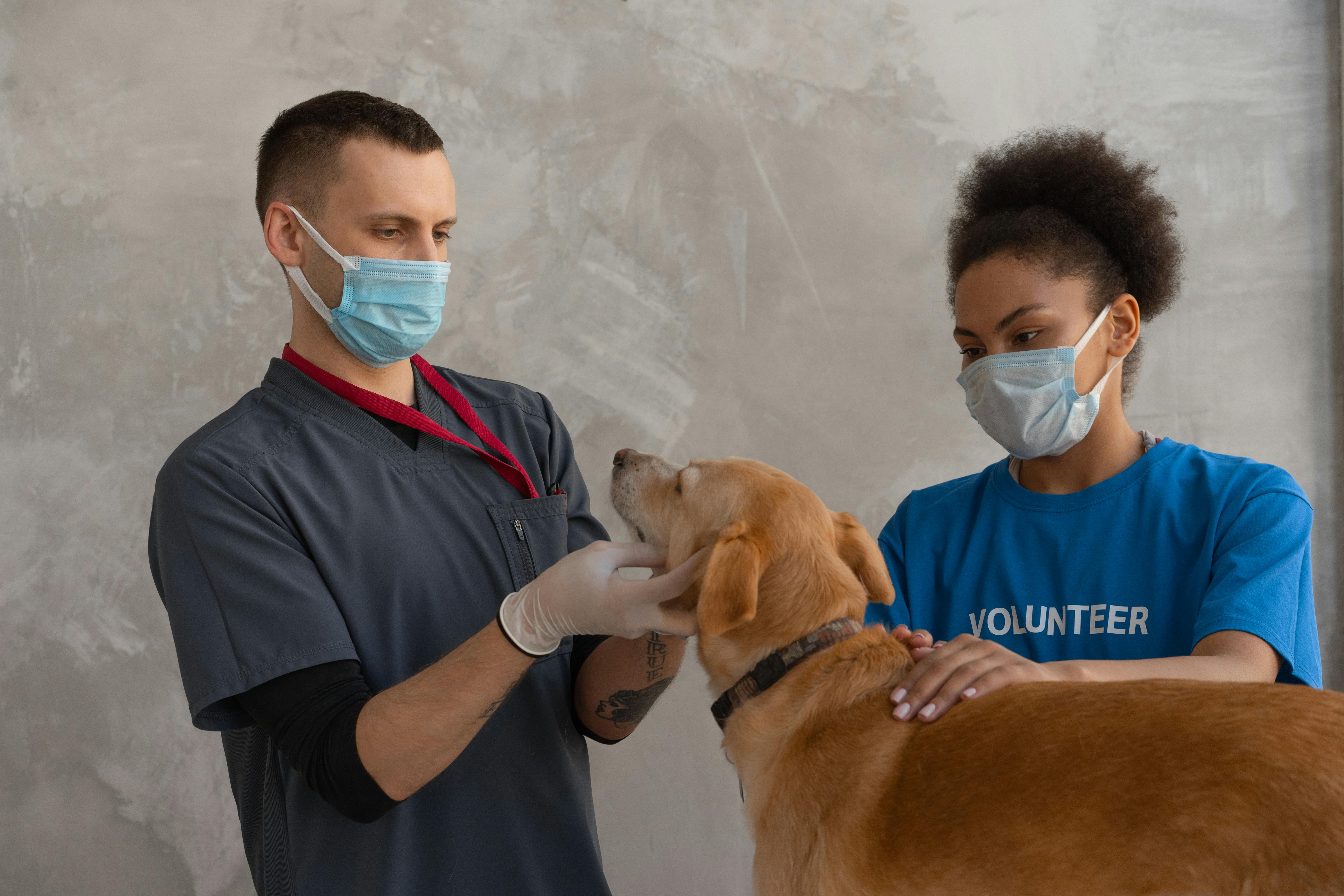
Heartworm Prevention: Essential Tips for Alexandria Pet Owners
Every spring in Alexandria and surrounding communities, pet owners are reminded of the hidden dangers lurking in our warm, humid climate. Heartworm disease is one of the most serious health threats for dogs and, to a lesser extent, cats in Louisiana. If you are concerned about keeping your pet safe as mosquito season ramps up, you are not alone. At Rapides Animal Medical Center, located at 5990 Jackson Street, Alexandria, LA 71303, we understand how important it is to protect your dog or cat from this preventable yet potentially deadly disease.
In this post, we will explain why May is such a critical time to start or continue heartworm prevention, how heartworm disease develops, the signs you should watch for, and the best prevention strategies for your pet. We will also discuss the value of regular heartworm testing and how our veterinary team can help you keep your companion healthy, active, and heartworm-free all year long. If you are looking for a trusted veterinary partner in Alexandria, Rapides Animal Medical Center is here to guide you every step of the way.
Recognizing the Risk: What Heartworm Disease Looks Like in Pets
Understanding the symptoms of heartworm disease is the first step toward protecting your pet. The problem with heartworms is that they are often silent, especially in the early stages. Most dogs and cats do not show any obvious signs until the infection has progressed, making regular preventive care and testing essential.
In dogs, early signs of heartworm disease can be subtle. You might notice that your normally energetic dog tires more easily during walks or play. Persistent mild coughing, decreased appetite, and unexplained weight loss can also develop as the disease advances. In severe cases, dogs may experience difficulty breathing, a swollen abdomen due to fluid buildup, or even sudden collapse. Heartworm disease in cats is less common but can be even harder to detect. Symptoms in cats may include intermittent vomiting, coughing, difficulty breathing, or sudden death, sometimes with no prior warning.
Because these symptoms can mimic other conditions, pet owners might not immediately associate them with heartworm disease. This is why it is so important to remain vigilant, especially during peak mosquito season in Louisiana, and to have your pet tested regularly for heartworms. Our heartworm testing services are designed to catch infections early, before lasting damage can occur.
How Heartworm Disease Develops: Understanding the Threat
To appreciate why prevention is necessary, it helps to understand how heartworm disease takes hold. Heartworm is caused by Dirofilaria immitis, a parasitic worm transmitted by mosquitoes. When an infected mosquito bites your dog or cat, it injects microscopic larvae into the bloodstream. Over several months, these larvae mature and migrate to the heart, lungs, and surrounding blood vessels, where they can grow into worms up to a foot long.
Dogs are the natural hosts for heartworms, which means the worms can reach high numbers and cause extensive damage to the heart and lungs. Even a few worms can cause life-threatening problems. Cats are more resistant, but a single worm can still trigger severe respiratory symptoms.
The warm, wet climate of Alexandria and the surrounding areas creates ideal conditions for mosquitoes to thrive almost year-round. This means that the risk of heartworm transmission is present for much of the year, making consistent protection essential. Since mosquitoes can enter homes easily and bite both indoor and outdoor pets, no dog or cat is completely safe without preventive care.
Heartworm Testing and Treatment: What to Expect at the Veterinary Clinic
If you are new to heartworm prevention or your pet’s status is unknown, the first step is a heartworm test. Our veterinary team recommends annual heartworm testing for both dogs and cats, even if they are on preventive medication. This simple blood test can detect the presence of heartworm proteins or, in some cases, microfilariae (baby heartworms) in your pet’s bloodstream.
When a dog tests positive for heartworms, our veterinarians will discuss a treatment plan tailored to your pet’s needs. Treatment for heartworm disease in dogs involves a series of injections designed to kill adult worms, along with supportive care to manage inflammation and prevent complications. The process requires careful monitoring and strict activity restriction to reduce the risk of complications as the worms die. Treatment can be costly and stressful for both pets and owners, which is why prevention is far preferable.
Unfortunately, there is no approved treatment for heartworm infection in cats. Instead, veterinarians focus on supportive care to manage symptoms and reduce inflammation. This makes prevention and regular testing even more important for feline companions.
If you are unsure about your pet’s status or due for a checkup, scheduling a wellness examination at Rapides Animal Medical Center is the perfect opportunity to discuss heartworm testing, review your prevention plan, and address any questions or concerns you may have.
The Power of Prevention: Keeping Your Pet Safe at Home
The good news is that heartworm disease can be prevented with consistent use of veterinarian-recommended medications. Preventive options include monthly oral tablets, topical treatments, and, in some cases, injectable products that provide long-term protection.
For dogs, monthly preventives work by eliminating heartworm larvae before they can mature into adults. These medications are safe, effective, and easy to administer. Many also protect against other common parasites such as roundworms and hookworms. For cats, topical formulas are available that protect against heartworms as well as fleas and intestinal parasites.
To ensure your pet is fully protected, prevention should be given year-round. Missing even a single dose can leave your pet vulnerable to infection, since mosquitoes are active for much of the year in Central Louisiana. Our veterinarians can help you choose the best preventive for your pet’s lifestyle and health needs.
In addition to giving preventives, make your home and yard less attractive to mosquitoes. Steps include eliminating standing water where mosquitoes breed, keeping screens in good repair, and using pet-safe mosquito repellents as recommended by your veterinarian.
Why May Matters: Seasonal Heartworm Concerns in Alexandria, LA
Local weather patterns play a significant role in heartworm risk. In Alexandria, mosquito activity often surges in late spring as temperatures rise and rainfall increases. May marks the beginning of peak transmission season, making it a crucial time to start or maintain heartworm prevention for your pets.
If your dog or cat is overdue for a heartworm test or has missed preventive doses during the winter months, May is the perfect time to get back on track. Early action can mean the difference between a healthy, happy pet and serious, costly illness down the road. Our team is here to answer your questions about heartworm season, local risks, and the best ways to protect your pet in our region.
When to Seek Veterinary Care: Protecting Your Pet’s Health
If you suspect your pet has missed a dose of preventive medication, has not been tested within the last year, or is showing any of the symptoms described earlier, it is important to contact your veterinarian promptly. Early diagnosis and intervention can make a tremendous difference in the outcome for your pet.
You should also reach out if your pet vomits after taking their heartworm preventive, if you discover your dog or cat has been exposed to mosquitoes after a lapse in prevention, or if you are unsure about which product is right for your pet. Our veterinary team can provide guidance, recommend the appropriate tests, and help you update your prevention plan.
In urgent situations, such as sudden coughing, difficulty breathing, or collapse, do not wait. Call for emergency veterinary care right away. For more information about our emergency veterinary services, visit our website or contact our team directly.
Choosing the Right Veterinary Team: Why Local Experience Matters
Pet owners in Alexandria and nearby communities know that finding a reliable “vet near me” is about more than just convenience. It is about partnering with a veterinary team that understands local risks, cares deeply about your pet’s wellbeing, and has the expertise to provide up-to-date prevention and treatment options.
At Rapides Animal Medical Center, our veterinarians combine advanced medical knowledge with compassionate, client-focused care. We offer a full range of services, including heartworm testing, prevention counseling, and support for both routine and urgent needs. Our team stays current on the latest diagnostic tools and prevention strategies so you can feel confident your pet is receiving the best possible care.
Take Action This Season: Protect Your Pet from Heartworms
Heartworm disease can be devastating, but it is also one of the most preventable threats to your dog or cat’s health. As mosquito season arrives in Central Louisiana, now is the time to ensure your pet is protected. Schedule a wellness examination and heartworm test with our veterinary team at Rapides Animal Medical Center, conveniently located at 5990 Jackson Street, Alexandria, LA 71303. Our veterinarians will help you choose the right preventive, answer your questions, and support you in keeping your pet safe all year long.
If you are searching for a veterinarian near me who truly prioritizes your pet’s health, we invite you to experience the difference at Rapides Animal Medical Center. To schedule your appointment, call (318) 445-5245 or request a visit through our website. Together, we can help your pet enjoy a happy, heartworm-free life in Alexandria and beyond.
This blog is intended for informational purposes only and does not replace professional veterinary care. Always consult your veterinarian for advice specific to your pet’s health and needs.