Rainy Day Care: Protecting Dogs and Cats From August Storms

Rainy Day Care: Protecting Dogs and Cats From August Storms
Louisiana summers are no strangers to dramatic weather. In Alexandria and the surrounding communities, August often brings intense storms, heavy rain, thunder, and sky-high humidity. For pet owners, these seasonal storms are more than just a noisy inconvenience; they can have a real impact on your dog or cat’s comfort, safety, and health. At Rapides Animal Medical Center, located at 5990 Jackson Street, Alexandria, LA 71303, we know how stressful storm season can be for both pets and their families. This blog will guide you through recognizing signs of storm-related stress, understanding the risks August weather brings, and most importantly, how to keep your pets calm, safe, and healthy when the thunder rolls in.
We’ll cover how to spot anxiety in dogs and cats, why storm season is especially challenging in our region, and what you can do at home to prevent problems. You’ll also learn when it’s time to schedule an appointment with our veterinary team for extra help, whether your pet needs a wellness examination or more advanced support. Our goal is to make sure every pet in Alexandria and the Pineville area stays happy and healthy—no matter what the weather brings.
How Storms Affect Pets: Signs of Stress and Discomfort
Storms can be frightening for many pets, but each dog and cat shows their stress in different ways. Key symptoms of storm anxiety in dogs include pacing the house, trembling, panting even when it’s cool inside, hiding under furniture, barking or whining, and sometimes even destructive behavior like scratching doors or chewing household items. Some dogs may try to escape outside, which is especially dangerous during heavy rain or thunder.
Cats often react to storms more quietly, seeking out hidden corners or tucking themselves behind furniture. You may notice your cat grooming excessively, vocalizing more than usual, or refusing to eat during periods of thunder and lightning. Some cats may freeze in place, flatten their ears, or even become aggressive if startled. Other signs are subtle, such as dilated pupils, a tucked tail, or reluctance to come out of hiding long after the storm has passed.
Beyond anxiety, storms can also cause physical problems for pets. Dogs and cats may develop hot spots or skin irritation from increased licking or scratching. Extended exposure to damp conditions can lead to ear infections, especially in floppy-eared breeds. If your pet is showing any signs of illness or seems unusually withdrawn after a storm, it’s important to monitor their behavior closely.
Why August Storms in Alexandria Are Challenging for Pets
August in central Louisiana brings not just rain and thunder, but also high humidity and rapidly changing weather conditions. These factors can make local storms especially tough on pets. The humidity can make it harder for dogs to cool down, increasing the risk of overheating if they become anxious and start panting excessively. For cats, the persistent dampness can exacerbate respiratory issues or cause stress if their favorite resting places become cold or wet.
The loud, unpredictable noises associated with thunder and heavy rain can trigger deep-rooted fears in both dogs and cats. For pets adopted from shelters, or those who have experienced traumatic events, storm anxiety can be even more pronounced. Power outages and sudden changes in household routines add another layer of stress, disrupting feeding times and access to safe spaces.
Outdoor pets are at particular risk during the August storm season. Heavy rainfall can flood yards, damage fences, and create dangerous escape opportunities. Even indoor pets can be affected if windows are left open or if storm damage allows water to enter the home. It’s not just the noise; a change in air pressure before a storm can cause discomfort, especially for older pets or those with chronic health conditions like arthritis.
How the Veterinary Team at Rapides Animal Medical Center Can Help
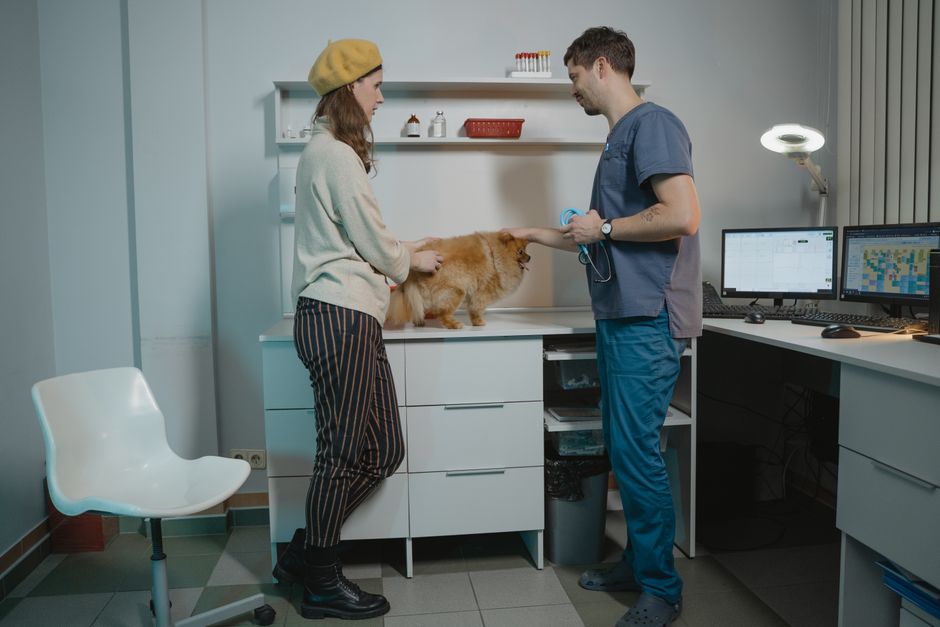
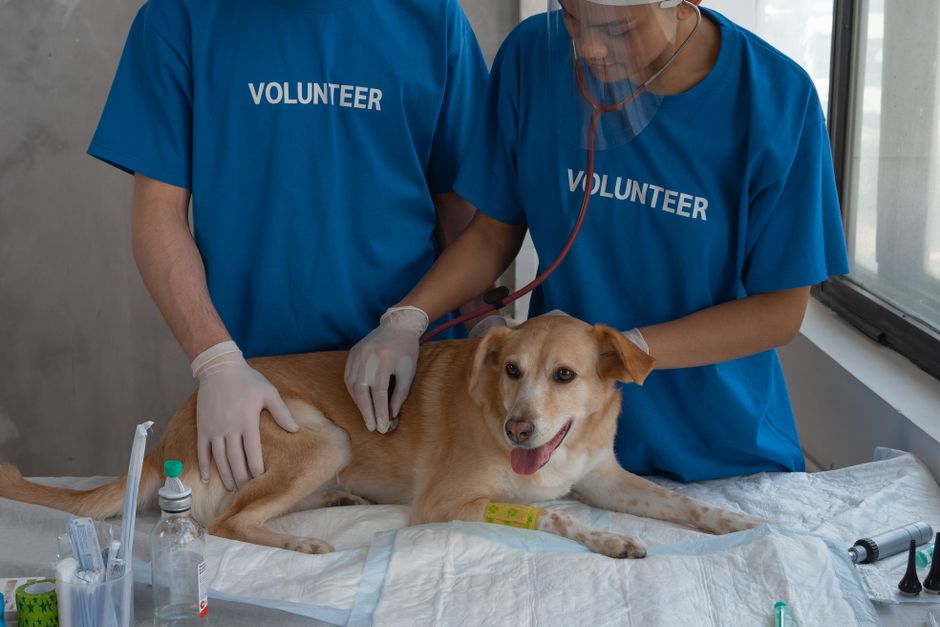
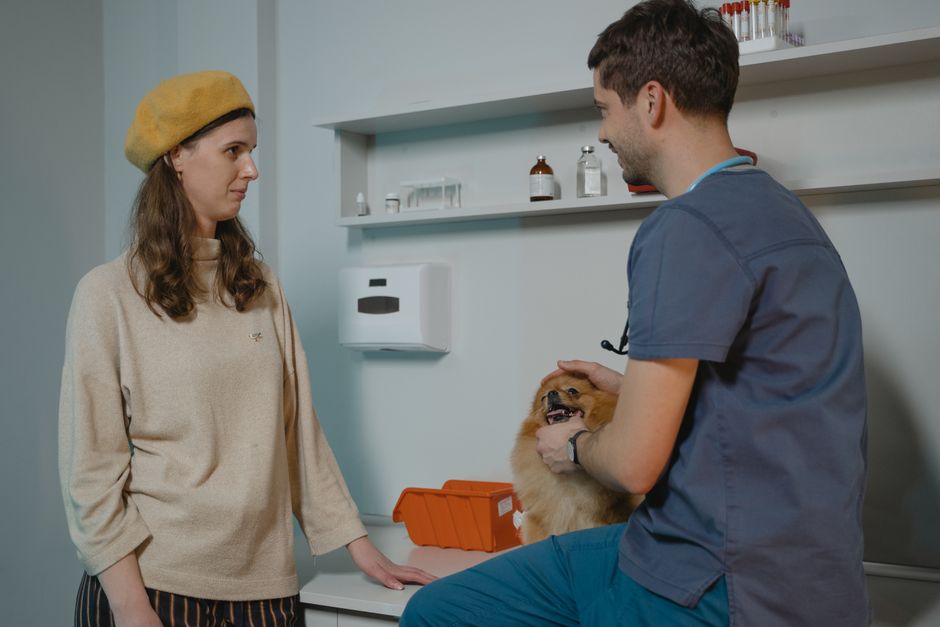
When storm season hits, having a trusted veterinary team on your side is invaluable. At Rapides Animal Medical Center, we offer a range of services to keep your pets comfortable and healthy through every summer squall. If your dog or cat is showing signs of storm-related stress, our veterinarians can recommend personalized strategies and, if needed, prescribe safe anti-anxiety medications or supplements tailored to your pet’s needs.
A wellness examination is a good starting point if you have concerns about your pet’s storm anxiety or related health issues. During this visit, we’ll evaluate your pet’s overall health, discuss their environment, and help you create a storm preparedness plan. For pets with skin or ear problems made worse by humidity or nervous behaviors, our diagnostic laboratory and digital radiology services are available for thorough evaluation and targeted treatment.
If you need to be away during stormy weather, our overnight stays and day boarding services offer a safe, climate-controlled environment where your pet can be monitored by our caring veterinary professionals. For pets needing extra help with grooming after a muddy adventure, our professional grooming services can get them clean and comfortable again.
Should your pet develop sudden symptoms during a storm—such as difficulty breathing, persistent vomiting, severe lethargy, or signs of injury—our emergency veterinary care is available for urgent situations. We encourage you to reach out whenever you’re unsure about your pet’s wellbeing; timely intervention can make all the difference.
Home Strategies for Keeping Pets Calm and Safe During Storms
There is plenty you can do at home to help your pets weather the summer storms more comfortably. Creating a safe, quiet space in your home is one of the most effective ways to reduce anxiety. Choose a room away from windows, ideally with soft bedding and familiar toys. Playing calming music or using a white noise machine can help mask the sound of thunder and rain.
Consistent routines are especially important during storm season. Try to feed and walk your dog at the same times each day, and keep your cat’s environment as predictable as possible. During the first signs of a storm, close windows and curtains to dampen noise and block flashes of lightning. Some pets are comforted by wearing snug-fitting garments designed to reduce anxiety, such as thunder shirts. For cats, providing high perches or covered beds can help them feel more secure.
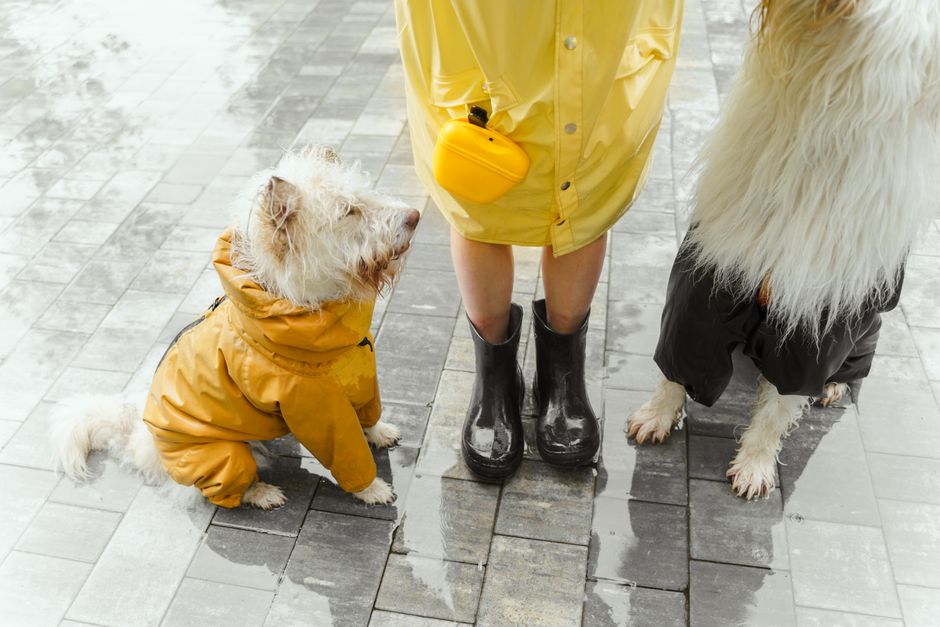
Never punish a pet for fearful behavior; instead, offer gentle reassurance and a calm presence. If your pet enjoys being brushed or stroked, gentle petting during a storm can be soothing. For dogs who need to go outside, keep outings brief and always accompany them to prevent escape attempts. Dry your pet thoroughly after outdoor trips to reduce the risk of skin irritations or ear infections, especially in breeds with thick coats or floppy ears.
In the days leading up to storm season, check your home for escape risks. Secure fences and gates, and make sure your pet’s identification tags and microchip information are up to date. Prepare an emergency kit with food, medications, and comfort items in case of power outages or the need to evacuate.
When to Seek Veterinary Help for Storm-Related Issues
Most pets can weather a routine storm with some extra attention and comfort, but there are times when professional help is necessary. If your dog or cat shows persistent anxiety that interferes with daily life, such as refusing to eat, eliminating outside the litter box or house, or showing aggression, it’s time to consult your veterinarian. Sudden behavioral changes, such as excessive hiding, persistent vocalizing, or destructive actions, also warrant a professional evaluation.
Physical symptoms that appear or worsen during storms should not be ignored. Signs like limping, persistent ear scratching, hot spots, or recurrent vomiting can indicate underlying problems exacerbated by storm stress or damp conditions. If your pet injures themselves, escapes during a storm, or develops breathing difficulties, seek immediate attention through our emergency veterinary care.
If you’re unsure whether your pet’s symptoms require urgent care, our veterinary team is always available to answer questions and guide you on the best next steps. Regular wellness examinations throughout the year can help catch health issues early, ensuring your pet is as resilient as possible when storm season arrives.
Keeping Your Pets Comfortable Year-Round in Alexandria
August storms in Alexandria can be unpredictable, but with the right preparation and support, you can help your dog or cat weather the wildest weather in comfort and safety. Recognizing the signs of stress, understanding the unique challenges of our local climate, and taking proactive steps at home all play a vital role in your pet’s wellbeing. When you need expert guidance or professional care, the team at Rapides Animal Medical Center is here to support you every step of the way.
If you’re searching for a "vet near me" during storm season, trust that our compassionate veterinarians are dedicated to keeping pets healthy in Alexandria and surrounding communities. Whether you need advice on storm anxiety, want to schedule a wellness exam, or require urgent attention, we’re ready to help. Call us at (318) 445-5245 or visit our Jackson Street location to keep your pets safe, comfortable, and healthy—rain or shine.
This article is for informational purposes only and does not replace professional veterinary advice. If your pet is experiencing severe symptoms, contact your veterinarian promptly.