Pet Dental Care: Summer Tips for Healthy Smiles in Alexandria

Pet Dental Care: Summer Tips for Healthy Smiles in Alexandria
Summertime in Alexandria, Pineville means longer days and more time outdoors for you and your pets. While you may be focused on fun and relaxation, this season is also the perfect time to check in on your dog or cat’s dental health. If you have noticed your pet’s breath is less than fresh or their teeth appear dull, you are not alone; dental disease is one of the most common issues we see at Rapides Animal Medical Center. As a full-service veterinary hospital in Alexandria, Pineville, LA, our team of veterinarians is passionate about helping your pet maintain a healthy smile all year long. In this blog, we will guide you through the key signs of dental trouble, common causes of oral health issues, what to expect from professional dental care, and simple steps you can take at home to support your pet’s oral wellbeing. Whether you are in Alexandria or a nearby community like Ball, Woodworth, or Tioga, our goal is to help you keep your pet’s teeth and gums healthy, comfortable, and pain-free.
Recognizing Dental Problems in Your Pet
It can sometimes be difficult to tell when your dog or cat is experiencing dental discomfort, as many pets are experts at hiding pain. However, there are warning signs you can watch for to determine if your pet may need a dental checkup this summer. Bad breath, also known as halitosis, is one of the most common and noticeable symptoms of dental disease. If your pet’s breath has become particularly foul, it is often a sign that bacteria are building up in their mouth. Other symptoms include visible tartar or yellow-brown buildup on the teeth, red or bleeding gums, and difficulty chewing or dropping food while eating. Pets may also paw at their mouths, shy away from having their face touched, or show a decreased interest in chew toys. In more advanced cases, you might notice loose or missing teeth, swelling along the jawline, or even behavioral changes such as increased irritability or withdrawal from family activities. Early detection and intervention are vital, as dental disease can progress quickly and lead to significant discomfort and health problems.
Why Dental Disease Happens: Causes and Contributing Factors
Understanding the causes of dental disease can help you protect your pet before problems arise. In both dogs and cats, plaque naturally forms on the teeth every day as a result of normal eating and drinking. If this soft film is not regularly removed, it hardens into tartar, which cannot be brushed away at home. Over time, tartar can accumulate below the gumline, causing inflammation, infection, and eventually periodontal disease. This process is not only uncomfortable for your pet, but it can also lead to tooth loss and impact their overall health. Bacteria from the mouth can enter the bloodstream, potentially affecting the heart, liver, and kidneys. Certain breeds, such as small dogs and flat-faced cats, are especially prone to dental issues due to the shape of their mouths and crowded teeth. Diet also plays a role, as pets who eat primarily soft food without opportunities to chew on appropriate dental toys or treats may develop plaque more quickly. Age is another factor; senior pets are at higher risk for dental disease, but issues can arise at any stage of life. Environmental factors, such as access to clean water and the unique climate of Alexandria, Pineville, can also contribute, with the region’s humidity sometimes making it easier for bacteria to thrive.
Professional Dental Care for Pets: What to Expect
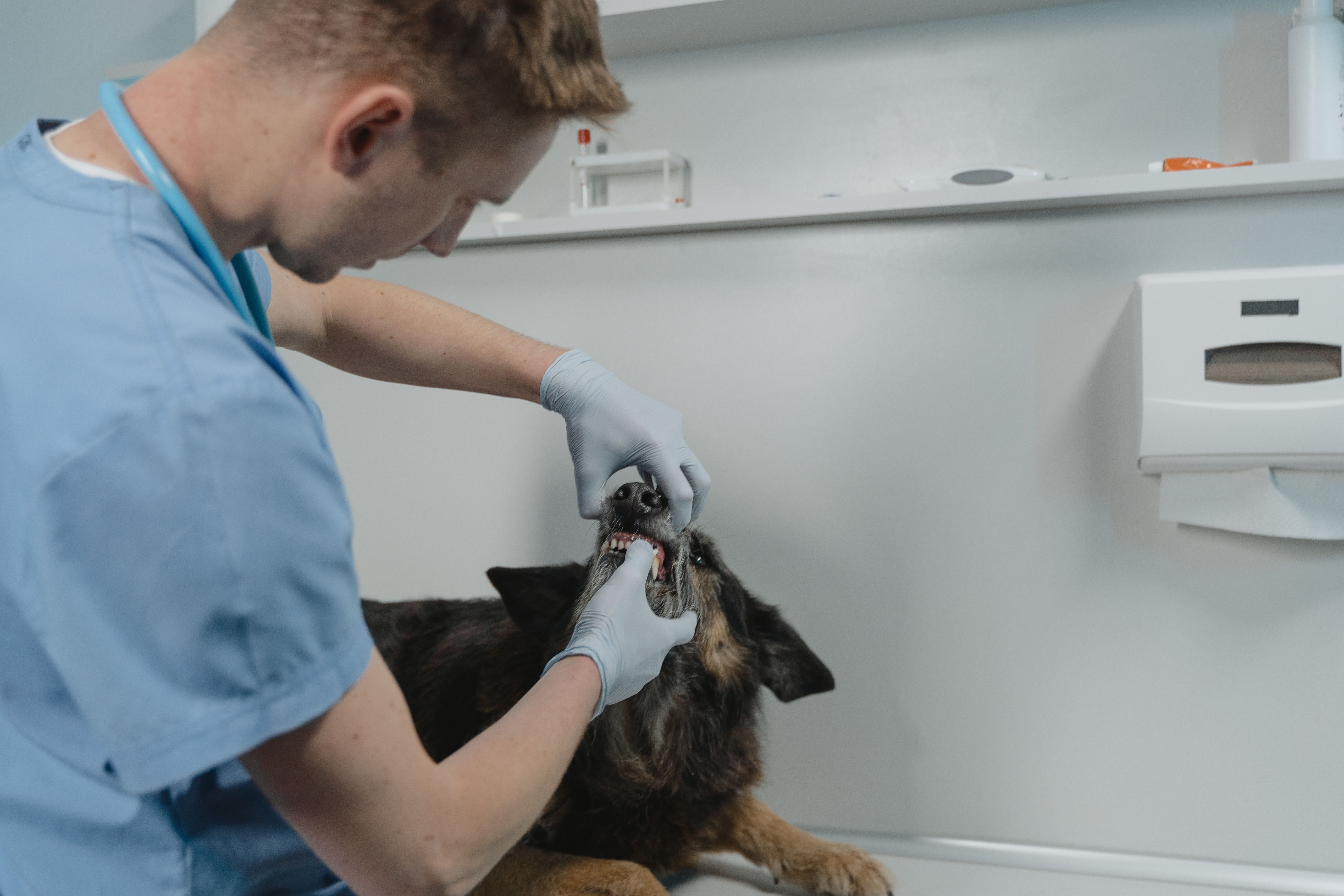
Many pet owners wonder what happens during a professional dental cleaning at their veterinary hospital. At Rapides Animal Medical Center, we take a thorough and compassionate approach to your pet’s oral health. During a dental appointment, your veterinarian will start with a comprehensive oral examination to assess the condition of your pet’s teeth and gums. If dental disease is present, we may recommend a professional cleaning under anesthesia for a safe and complete evaluation. Anesthesia is essential because it allows us to clean above and below the gumline, where most dental problems begin, without causing stress or pain for your pet. Our veterinary team uses specialized tools to remove tartar from every tooth surface and polish the teeth to slow future plaque buildup. We also examine each tooth for signs of infection or damage and may take dental X-rays if needed to evaluate the roots and jawbone. If we find any loose, damaged, or infected teeth, extractions may be recommended to prevent further discomfort and complications. Following the procedure, your pet will recover with careful monitoring and pain management, and we will provide you with guidance for ongoing at-home care.
Home Dental Care: Summer Strategies for a Healthy Smile
While professional cleanings are important, daily home care is the key to maintaining your pet’s dental health between veterinary visits. Brushing your dog or cat’s teeth is the gold standard for plaque prevention. Start by using a pet-specific toothbrush and toothpaste—never human toothpaste, as it can be harmful to animals. If your pet is new to toothbrushing, begin slowly by letting them taste the toothpaste and gently rubbing their gums with your finger. Gradually introduce the toothbrush, working up to brushing a few teeth at a time. Consistency is more important than perfection; even a few times a week can make a difference. In addition to brushing, there are dental diets, chews, and water additives available that help reduce plaque and tartar. Look for products approved by the Veterinary Oral Health Council (VOHC) for proven effectiveness. Chew toys designed for dental health can also help, but always supervise your pet to prevent accidental swallowing or broken teeth. During the summer, make sure your pet has plenty of fresh water to rinse their mouth and help keep oral bacteria in check. Avoid giving bones, antlers, or hard toys that can fracture teeth. If you have concerns about which products are safe or effective, your veterinarian can offer recommendations tailored to your pet’s needs.
When to Schedule a Dental Exam: Recognizing When Your Pet Needs Professional Help
While regular at-home care is important, there are times when only a professional evaluation can address your pet’s dental needs. If you notice symptoms such as persistent bad breath, red or swollen gums, loose or missing teeth, or any sign of mouth pain, it is time to schedule an appointment with your veterinarian. Pets who suddenly stop eating, lose weight, or drool excessively may also be experiencing oral discomfort that requires prompt attention. Dental disease does not resolve on its own; waiting can lead to worsening pain and serious health problems. In some situations, dental infection can spread quickly, causing facial swelling or a sudden change in your pet’s behavior. If you observe these signs, contact your veterinary hospital as soon as possible. Even if your pet seems healthy, annual dental examinations are recommended to catch issues early. Preventive dental care is just as important as vaccinations or parasite prevention for your dog or cat’s long-term health.
The Importance of Partnering with Your Local Veterinarian
Your pet’s oral health is a critical part of their overall wellbeing, and regular collaboration with your veterinary team ensures that small problems are caught before they become major concerns. At Rapides Animal Medical Center, we are committed to providing compassionate, thorough dental care for pets in Alexandria, Pineville and surrounding communities. Our veterinarians stay up to date on the latest dental techniques and recommendations, allowing us to offer the highest quality care for every stage of your pet’s life. We encourage you to make dental health a part of your pet’s routine wellness plan, just as you would with nutrition, exercise, and parasite control.
Keeping Your Pet’s Smile Bright All Summer Long
Summer is the perfect time to focus on your pet’s dental health. By staying alert to the warning signs of dental disease, understanding the causes, and taking proactive steps at home, you can help your dog or cat enjoy a comfortable, healthy mouth year-round. If you are searching for a veterinarian near me who offers comprehensive dental care, look no further than Rapides Animal Medical Center. Our veterinary team is here to answer your questions, provide guidance on home care, and deliver professional dental services tailored to your pet’s needs. To schedule a dental exam or learn more about our services, call us at (318) 445-5245 or visit us in Alexandria, Pineville, LA. Together, we can help your pet smile brightly this summer and for years to come.
The information in this blog is intended for educational purposes only and should not be used as a substitute for professional veterinary advice. If you have specific concerns about your pet’s dental health, please consult your veterinarian.