Hot Weather Safety Tips for Alexandria Pets in September

Hot Weather Safety Tips for Alexandria Pets in September
As September arrives in Alexandria, LA, many pet owners look forward to the promise of cooler days ahead. However, the reality for our region is that late-summer heat and humidity can linger well into the month, posing real risks for dogs and cats who aren’t prepared for these challenging conditions. At Rapides Animal Medical Center, we know how important it is for you to keep your pet safe, comfortable, and healthy all year long. In this blog, we’ll walk you through everything you need to know about hot weather safety for your pets in September, including how to recognize heat stress, practical tips for hydration and exercise, and when to call your veterinarian. Our team is always here to help you navigate seasonal challenges from our full-service facility at 5990 Jackson Street, Alexandria, LA 71303. Whether you’re new to our area or a long-time resident, these timely tips are designed to help you enjoy the last days of summer with your dog or cat—safely.
Recognizing Signs of Heat Stress and Heatstroke in Pets
Understanding how heat and humidity affect dogs and cats is the first step toward prevention. Hot weather brings more than just discomfort; it can quickly lead to dangerous conditions like heat exhaustion or heatstroke, which can be life-threatening if not addressed immediately.
Key symptoms of heat stress in pets include excessive panting, drooling, and restlessness. As heat exposure worsens, you may notice your dog or cat becomes weak, unsteady, or collapses. Other signs to watch for are bright red gums, vomiting, diarrhea, and a rapid heartbeat. Cats, in particular, may hide or appear lethargic, while dogs often seek out tile floors or shady spots to cool down. If your pet is struggling to breathe, seems confused, or loses consciousness, these are urgent warning signs that require immediate action.
It’s important to remember that pets can’t sweat like humans do. Most of their cooling happens through panting and, in the case of dogs, only a small amount through their paw pads. Brachycephalic breeds like Bulldogs, Pugs, and Persians are especially vulnerable because their short snouts make it harder for them to regulate body temperature. Senior pets, overweight animals, and those with existing heart or respiratory conditions also face higher risks during hot, humid weather.
Why Alexandria’s Late-Summer Weather Is Still Risky
September in Alexandria and surrounding communities means temperatures can still climb into the high 80s or 90s, often with high humidity lingering from the summer months. These conditions place extra strain on your pet’s ability to keep cool, especially when outdoor surfaces like asphalt and concrete remain warm well after sunset.
Humidity plays a significant role in heat safety. When the air is saturated with moisture, your pet’s natural cooling mechanisms become less effective. Panting doesn’t work as well, and their bodies can’t release excess heat efficiently. Activities that seem harmless, like a short walk around the block or a romp in the yard, can turn dangerous on a humid afternoon.
Additionally, many pets are eager to return to regular outdoor routines after the hotter months, but sudden increases in activity can lead to overheating if not managed carefully. It’s also easy to underestimate the risks during overcast days; even without direct sun, the ambient temperature and humidity can create hazardous conditions for dogs and cats.
How the Veterinary Team at Rapides Animal Medical Center Manages Heat-Related Illness
If your pet begins to show signs of heat exhaustion or heatstroke, prompt veterinary care is critical. At Rapides Animal Medical Center, our team is equipped to diagnose and treat heat-related emergencies, providing your pet with the best chance for a healthy recovery.
Treatment approaches involve rapidly lowering your pet’s body temperature in a controlled way while monitoring vital signs and addressing dehydration or organ stress. Your veterinarian may use IV fluids, oxygen therapy, and advanced monitoring to stabilize your pet. Bloodwork and other diagnostic tests help us assess the extent of any organ damage or complications. In severe cases, hospitalization and ongoing supportive care may be necessary to ensure a full recovery.
Timely intervention matters; waiting too long to seek help can lead to irreversible organ damage or even death. If you are unsure whether your pet’s symptoms are serious, it’s always safer to err on the side of caution and contact your veterinary team right away. For more details on how our team handles emergencies, you can learn about our emergency veterinary care services.
Practical Home Care and Prevention for Hot Weather in September
Preventing heat-related illness in your pet requires a combination of awareness, preparation, and common sense. There are several steps you can take to keep your dog or cat safe during Alexandria’s late-summer heat.
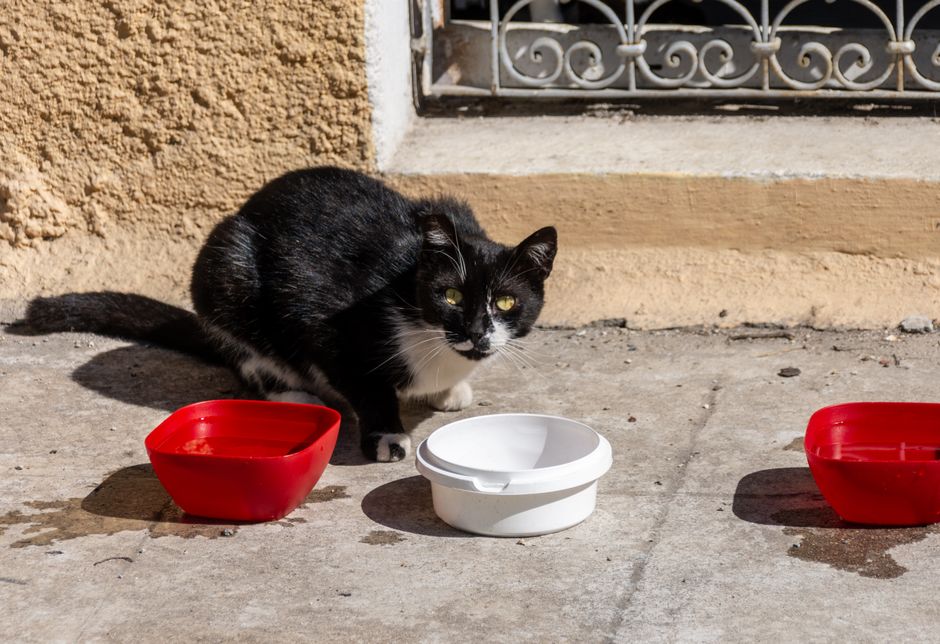
Ensuring your pet always has access to fresh, cool water is essential, both indoors and outdoors. Consider placing multiple water bowls around your home and yard, and check them frequently as pets tend to drink more when it’s hot. Adding a few ice cubes can help keep the water cooler for longer periods. Shade is another crucial factor; provide access to covered areas or bring your pet indoors during the hottest parts of the day, typically between 10 a.m. and 4 p.m.
When it comes to exercise, adjust your routines to early morning or late evening hours when temperatures are lower and surfaces are cooler. If you walk your dog, test the pavement with your hand—if it’s too hot for you to touch comfortably, it’s too hot for your pet’s paws. Cats who enjoy time on patios or porches should always have a way to retreat to a cooler indoor space.
Never leave your pet unattended in a parked car, even for a few minutes. The temperature inside a car can soar to dangerous levels within moments, even with the windows cracked open. Likewise, avoid intense play sessions or training during heat waves, and watch for signs that your pet needs a break.
Grooming can also play a role in temperature regulation. Regular brushing helps remove excess fur and undercoat, making it easier for your pet to stay cool. However, avoid shaving breeds with double coats, as their fur helps insulate them against both heat and sunburn.
When to Call Your Veterinarian About Heat-Related Symptoms
Knowing when to seek professional help can mean the difference between a minor issue and a life-threatening emergency. If your dog or cat shows any combination of heavy panting, drooling, vomiting, diarrhea, weakness, or disorientation, take immediate steps to cool them down and call your veterinarian without delay.
Begin by moving your pet to a shaded or air-conditioned area and offering small amounts of cool (not icy) water to drink. You can use a damp towel to gently cool their paws and body, but avoid using cold water or ice baths, as rapid cooling can be dangerous. If symptoms persist or worsen, call Rapides Animal Medical Center right away so our veterinary professionals can provide guidance and prepare for your arrival.
Certain situations always warrant a call or a visit to the clinic. These include loss of consciousness, seizures, difficulty breathing, or a body temperature over 104°F (measured rectally). Remember, acting quickly can save your pet’s life, especially in the case of suspected heatstroke. For urgent after-hours concerns, refer to our emergency veterinary care information to understand your options and next steps.
Keeping Your Alexandria Pet Comfortable All September
Late-summer heat in Alexandria brings unique challenges for pet owners, but with a few practical adjustments and a watchful eye, you can help your dog or cat safely enjoy the season. Hydration, shade, and temperature-aware routines are vital for preventing heat-related illness. Recognizing early warning signs and responding quickly are equally important for your pet’s health.
Our veterinary team at Rapides Animal Medical Center is dedicated to helping you keep your pet healthy and happy, no matter what the weather brings. If you ever have concerns about hot weather safety or notice unusual symptoms in your pet, don’t hesitate to schedule an appointment or reach out to us for support. When searching for a veterinarian near me, choosing a clinic with experience in local climate challenges and a compassionate approach makes all the difference.
To consult with our veterinarians or learn more about our services, call us at (318) 445-5245 or visit us at 5990 Jackson Street, Alexandria, LA 71303. Your pet’s comfort and wellbeing are our top priorities, and we look forward to helping you navigate Alexandria’s September weather with confidence.
This blog is intended for general educational purposes only and should not replace a professional veterinary examination. If you are concerned about your pet’s health, always consult directly with your veterinarian for tailored advice.