Essential Pet Dental Care Tips for February in Alexandria


Essential Pet Dental Care Tips for February in Alexandria
Every February, pet owners across the country are reminded of the importance of dental health for their furry family members as part of National Pet Dental Health Month. If you have ever wondered why your pet’s breath smells a little less than fresh or noticed them pawing at their mouth, you are not alone. Dental problems are among the most common health concerns in dogs and cats, yet they often go unnoticed until they cause pain or trouble eating. At Rapides Animal Medical Center, located conveniently at 5990 Jackson Street, Alexandria, LA 71303, our veterinary team is passionate about supporting your pet’s oral health with comprehensive dental care, exams, and treatment options tailored to your companion’s needs.
In this blog, we will explore why dental care is essential for your pet’s overall wellbeing, how to recognize dental problems early, what factors put pets at risk, and the best ways to keep your pet’s teeth sparkling clean all year long. We will also explain when professional dental intervention is necessary and how our veterinary professionals in Alexandria can help with everything from routine cleanings to advanced dental procedures. Whether you are looking to schedule your pet’s first dental exam or simply want to learn more about keeping their mouth healthy, you will find practical advice and expert guidance here to give your pet a reason to smile this season.
How to Recognize Dental Problems in Your Pet
Pet dental disease can be silent, creeping up slowly until discomfort or more serious issues develop. As a pet owner, being able to spot early warning signs is key to preventing long-term damage and pain. Pets rarely complain about dental discomfort, so it is up to us to watch for subtle changes.
Common signs of dental problems in dogs and cats include bad breath that lingers even after cleaning, red or swollen gums, visible tartar or yellow-brown buildup along the gumline, and reluctance to eat crunchy foods or chew toys. You might also notice your pet dropping food from their mouth, pawing at their face, or even displaying changes in behavior such as irritability or withdrawal. In some cases, pets with advanced dental disease may drool excessively, bleed from the mouth, or develop loose or missing teeth.
It is important to remember that while some symptoms may seem minor, they can indicate underlying issues such as gingivitis, periodontal disease, or painful tooth resorption. If you notice any of these changes, prompt evaluation by a veterinarian is essential. During a dental exam, our veterinary team can identify even the earliest signs of dental disease and help you take action before problems become more serious.
What Causes Dental Disease in Pets?
Dental disease in pets develops for many of the same reasons it does in people, but with some unique factors specific to our four-legged companions. The process often begins with plaque—a sticky film of bacteria—that accumulates on the surface of teeth after eating. If not removed through regular cleaning, this plaque hardens into tartar, which irritates the gums and creates an environment where bacteria thrive.
Over time, untreated tartar and bacterial buildup can lead to inflammation of the gums (gingivitis) and, eventually, to periodontal disease, which is a more severe infection that damages the tissue and bone supporting the teeth. Contributing factors include a lack of at-home dental care, diets that do not promote chewing or mechanical cleaning, genetics (certain breeds are more prone to dental issues), age, and underlying health problems that affect the immune system or saliva production.
Cats, in particular, are susceptible to a painful condition called tooth resorption, which causes the tooth structure to break down. Small dogs often have crowded teeth, making it easier for debris and bacteria to accumulate. Even with the best intentions, brushing your pet’s teeth at home may not be enough to prevent these issues entirely, which is why professional dental care is so important for maintaining long-term oral health.
Professional Dental Care: What to Expect at Rapides Animal Medical Center
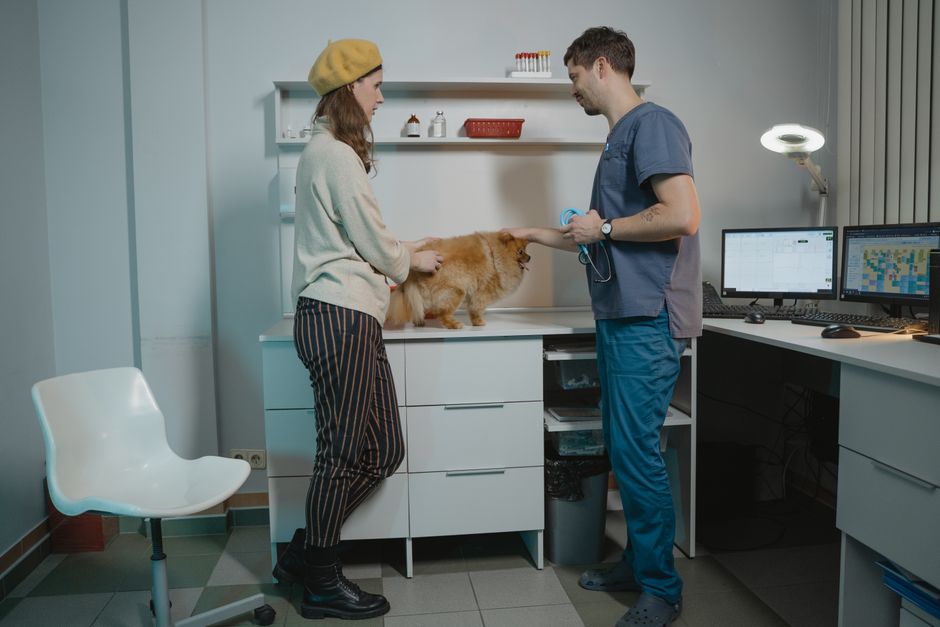
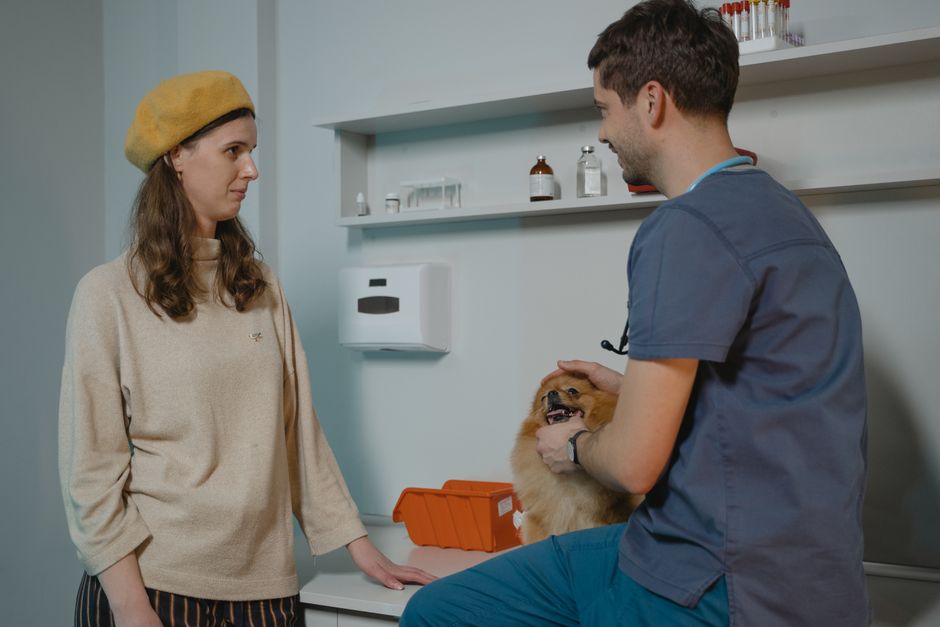
When your pet visits Rapides Animal Medical Center for dental care, our veterinary professionals take a thorough, compassionate approach designed to keep your companion comfortable and healthy. The process typically starts with a detailed oral examination, often as part of your pet’s annual wellness visit. If your pet is showing signs of dental disease, we may recommend a professional cleaning or other procedures to address underlying issues.
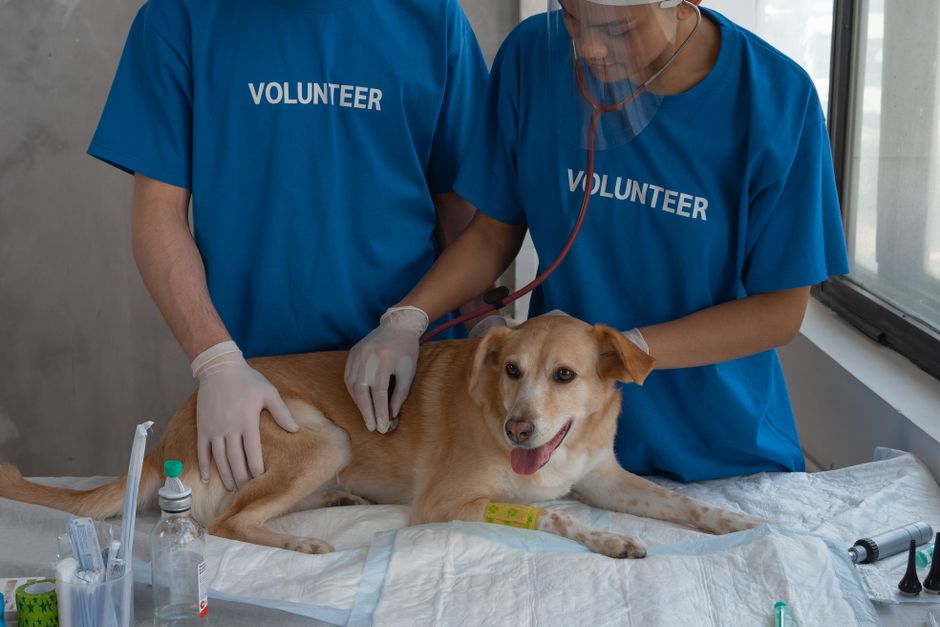
A professional dental cleaning involves safely anesthetizing your pet to allow for a complete evaluation of every tooth and the surrounding tissues. This enables our veterinarians to carefully remove plaque and tartar above and below the gum line—areas that cannot be reached with brushing alone. During the procedure, we use specialized instruments and digital dental radiographs to detect problems that might be hidden beneath the surface.
Depending on your pet’s needs, additional treatments such as pet tooth extractions and dental procedures may be recommended if teeth are damaged or causing pain. In some cases, more advanced interventions, including pet oral and dental surgery services, may be necessary for severe infections, tooth root abscesses, or oral tumors. Throughout the process, our veterinary team provides pain management, monitoring, and personalized aftercare instructions to ensure your pet’s comfort and recovery.
If you are interested in a routine cleaning and preventive care, you can learn more about our professional pet dental cleaning services, which are designed to maintain your pet’s oral health and prevent future problems. Our clinic also offers guidance on home care strategies and dental-friendly diets to support your pet between visits.
Preventive Dental Care You Can Do at Home
While professional cleanings are critical, your efforts at home make a significant difference in your pet’s oral health. Regular tooth brushing remains the gold standard for preventing plaque buildup. Using a pet-specific toothbrush and toothpaste, aim to brush your pet’s teeth several times a week. If your companion is new to brushing, start slowly with gentle sessions and positive reinforcement to build trust and comfort.
In addition to brushing, offering dental chews or toys designed to reduce tartar can help keep teeth cleaner. Some pets benefit from special dental diets or water additives that help minimize bacteria and plaque. Keeping treats and table scraps to a minimum reduces the risk of dental disease, as certain foods can contribute to tartar formation and gum inflammation.
It is also important to monitor your pet’s mouth regularly. Lifting their lips to check for redness, swelling, or tartar allows you to catch issues early. If you notice any changes in eating habits, bad breath, or discomfort, reach out to your veterinarian for guidance. The combination of consistent home care and professional attention forms the foundation of a healthy mouth and a happy, active pet.
When to Seek Veterinary Dental Care
Knowing when to seek professional dental care can make all the difference in your pet’s comfort and overall health. Some signs that require a veterinary visit include persistent bad breath, refusal to eat or sudden changes in eating habits, bleeding from the mouth, swollen or bleeding gums, loose or missing teeth, and obvious pain or reluctance to let you touch your pet’s face.
If your pet is experiencing any of these symptoms, or if it has been more than a year since their last dental checkup, scheduling an appointment with a veterinarian is the best way to ensure their oral health is on track. At Rapides Animal Medical Center, we encourage regular dental exams as part of a comprehensive preventive care plan. Our veterinarians can assess your pet’s needs, recommend appropriate treatments, and help you create a personalized plan for ongoing dental health.
For pet owners searching for a "vet near me" who understands the importance of dental health and prioritizes client-focused care, our clinic stands ready to support you and your pet at every stage. We welcome new and returning clients from Alexandria and surrounding communities, providing trusted expertise and compassionate service in a welcoming environment.
Give Your Pet a Reason to Smile—Schedule Their Dental Checkup Today
As National Pet Dental Health Month reminds us each February, a healthy mouth is essential for your pet’s overall quality of life. By staying alert to the signs of dental problems, practicing good home care, and partnering with a skilled veterinary team, you can help your furry friend avoid discomfort and maintain a happy, healthy smile for years to come.
If you have questions about your pet’s dental health or are ready to schedule an exam, we invite you to contact Rapides Animal Medical Center today. You can reach our friendly veterinary professionals at (318) 445-5245 or visit us in person at 5990 Jackson Street, Alexandria, LA 71303. Our comprehensive dental care services, from professional pet dental cleaning to pet tooth extractions and dental procedures and pet oral and dental surgery services, ensure your companion receives the highest standard of care.
Do not wait until dental disease causes pain or impacts your pet’s health. Make February the month you commit to better dental care for your pet. Schedule an appointment with our veterinarians today and discover the difference a healthy mouth can make.
This blog is for informational purposes only and does not replace professional veterinary advice. Always consult your veterinarian for personalized recommendations regarding your pet’s dental health.